

Who Needs An Egg Donor?
The decline in fertility corresponds with the loss of eggs as females age. At birth this number declines from 6 to 7 million eggs to approximately 1 to 2 million. This video was created by the Society for Assisted Reproductive Technology (SART).
Video


Videos






Resources For You
Advocacy Resources
ASRM has prepared resources to help you explain and advocate for reproductive rights and the continuation of in vitro fertilization and other fertility treatments.
Frequently Asked Questions
ASRM's Frequently Asked Questions (FAQ) provides answers to common questions about reproductive health.

Patient Journeys
ASRM has resources and publications to help you through each stage of your journey.

State and Territory Infertility Insurance Laws
One way that ASRM works to improve access to fertility care is by advocating for insurance coverage for reproductive medicine care. All patients should have access to the care they need.
Fact Sheets and Infographics
ASRM produces a series of fact sheets and booklets on various topics related to infertility, reproductive health, and family planning. The fact sheets and booklets are available in English, Spanish, and Chinese.

Reproductive Rights and You
The Dobbs decision has sparked a litany of changes in state laws across the nation, and more are expected. We need your help!

Reproductive Topics
Find all the resources on a specific topic compiled onto a single page.

SART Fertility Experts Podcast
An educational project of ASRM's affiliated society, the Society for Assisted Reproductive Technology (SART), this series is designed to provide up to date information about a variety of topics related to fertility testing and treatment such as IVF.

Patient Education Videos
ASRM and its affiliated society SART have made several videos to explain the sometimes difficult topics related to reproductive medicine.

Terms and Definitions
Find explanations for the meaning behind the doctor-speak you hear when trying to research reproductive medicine topics. ASRM has defined the most popular terms in easy to understand language.

Patient Stories
Read real-life stories from patients who have faced reproductive medicine challenges and come out stronger on the other side.
Fertility in the News
ASRM Press Releases and Bulletins are published by ASRM's Office of Public Affairs to inform the world about important happenings in reproductive medicine and at ASRM.
Egg Donation

SART Fertility Experts - Egg Donor Screening
This podcast discusses who are typical egg donor candidates and also describes the screening process to be an egg donor and give the gift of life! Listen to the Episode
Egg Donation
Egg donation is when a woman (donor) gives her eggs to another woman (recipient) to allow the recipient to have a baby. To donate eggs, the donor must be given medications that will cause her to develop multiple eggs over a single cycle. View the Fact Sheet
SART Fertility Experts - Egg Donor and Recipient
SART Fertility Experts - Fertility and LGBTQ
In this episode, Dr. Daniel Grow interviews Dr. Mark Leondires, the founder of Gay Parents To Be. Listen to the Episode
What do I need to know about Turner syndrome and having children?
Turner syndrome (TS) is an infrequent genetic disorder in females. View the fact sheet
SART Fertility Experts - Donor Eggs: Fresh or frozen?
This episode examines who is best suited for egg donation, what qualifies an egg donor, the difference between using fresh vs. frozen eggs, and more. Listen to the Episode
Donor Eggs Fresh Or Frozen?
This SART micro-video will briefly review the options of using fresh and frozen donor eggs. Watch Video
Third-Party Reproduction (booklet)
The phrase “third-party reproduction” refers to involving someone other than the individual or couple that plans to raise the child (intended parent[s]) in the process of reproduction. View the Booklet
Who Needs An Egg Donor?
The decline in fertility corresponds with the loss of eggs as females age. At birth this number declines from 6 to 7 million eggs to approximately 1 to 2 million. Watch Video
Mary Dolan's Story

SART FAQ About IVF
Created by the Society for Assisted Reproductive Technology (SART) the following are answers to frequently asked questions concerning in vitro fertilization (IVF). Learn the factsReproductive Aging

ASRM Ethics Committee Delivers New Opinion on Assisted Reproduction with Advancing Parental Age
ASRM Ethics Committee issues guidance on assisted reproduction and advanced parental age, addressing medical, ethical, and psychological considerations.
Menopausal Transition (Perimenopause): What Is It?
The menopausal transition (perimenopause) is the period that links a woman’s reproductive (childbearing) years and menopause. Read the Fact Sheet
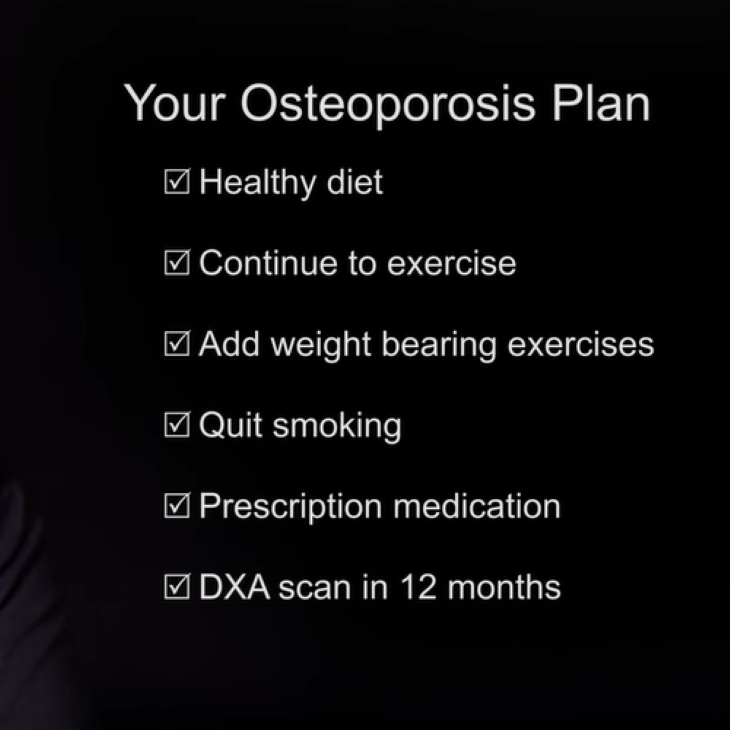
Osteoporosis
Osteoporosis and osteopenia are conditions of having low bone mass (density). View the Fact Sheet
Does My Age Affect My Fertility?
A woman’s age is one of the most important factors affecting whether she is able to conceive and give birth to a healthy child. This is due to several changes that are a natural part of aging. View the Fact Sheet
MENOPOZA GEÇİŞ SÜRECİ
Menopoza geçiş süreci (perimenopoz), bir kadının doğurganlık yıllarını ve menopozu birbirine bağlayan dönemdir. View the fact sheet
YAŞIM DOĞURGANLIĞIMI ETKİLER Mİ
Bir kadının yaşı, hamile kalıp sağlıklı bir çocuk sahibi olup olamayacağını etkileyen en önemli faktörlerden biridir. View the fact sheet
Normal and abnormal puberty in girls
Puberty refers to the specific physical changes that happen as a child develops into an adult. View the fact sheet
Preparing for In Vitro Fertilization (IVF): Lifestyle Factors
This SART micro-video discusses lifestyle factors that may affect in vitro fertilization, or IVF, outcomes. Watch Video
Who Needs An Egg Donor?
The decline in fertility corresponds with the loss of eggs as females age. At birth this number declines from 6 to 7 million eggs to approximately 1 to 2 million. Watch Video
Infertility: an Overview (booklet)
Infertility is typically defined as the inability to achieve pregnancy after one year of unprotected intercourse. View the booklet
Perimenopause
This video will cover perimenopause, also known as menopause transition, including the changes you can expect and the treatments for symptoms that are available. Watch Video
Menopause
This video will talk about menopause, including the changes you can expect and the treatments for symptoms that are available. Watch Video
Osteoporosis
Learn about bone density, osteoporosis, and bone health issues that occur with aging. Watch VideoPrimary Ovarian Insufficiency (POI)
What is Premature Ovarian Insufficiency (Previously Called Premature Ovarian Failure)?
When a woman’s ovaries stop working before age 40, she is said to have premature ovarian insufficiency (POI). View the fact sheet
Mary Dolan's Story
Find a Health Professional


